(512) 957-0001
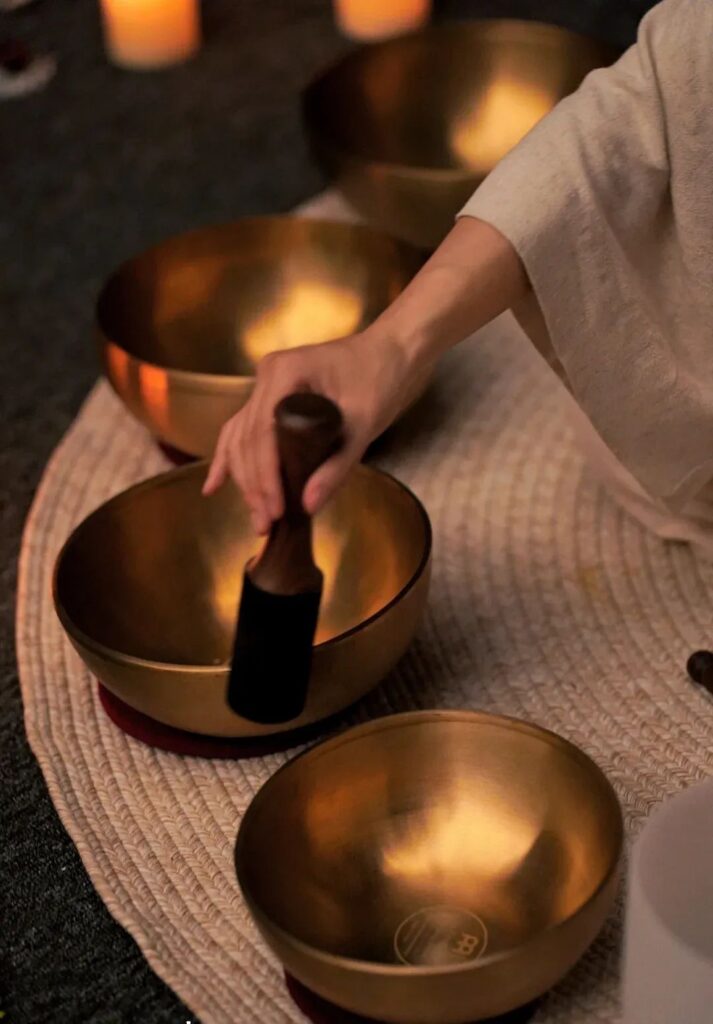
Sound healing is a holistic practice that uses sound vibrations to improve physical, emotional, and mental well-being. It is based on the idea that sound can positively affect the body’s energy fields, promote relaxation, and help balance the mind and body. Here’s a breakdown of the practice
Key Elements:
Instruments and Tools:
Sound healing can benefit a wide range of individuals, especially those seeking physical, emotional, mental, or spiritual well-being. Sound Healing also stimulates the production of NO in the body, as well as dopamine and boosting the immune system.
Here are some of the groups who may find it particularly beneficial:
People Experiencing Stress and Anxiety:
Sound healing can help lower cortisol levels, leading to deep relaxation. It is ideal for individuals with high stress or chronic anxiety, as it promotes calmness and helps them cope with daily pressures.
Individuals with Sleep Disorders:
Those suffering from insomnia or disturbed sleep patterns may find sound healing effective, as it encourages relaxation and can help improve sleep quality by calming the mind and body.
People in Pain or with Chronic Illness:
Individuals dealing with emotional trauma, DNA-imprinted/ intergenerational trauma, depression, or feelings of overwhelm may find emotional release and healing through Sound Healing transformative work. It helps clear blocked emotions and restore a sense of inner balance.

Meditation and Mindfulness Practitioners:
People with Mental Health Issues:
Sound healing is helpful for those experiencing mild forms of mental health issues, such as depression, anxiety, or burnout, by promoting mental clarity, reducing overthinking, and enhancing mood regulation.
Spiritual Seekers:
Sound healing is often used in spiritual practices to open energetic pathways, enhance connection with the self, and balance chakras. It can help those on a spiritual journey seeking inner growth and peace.
People in Recovery (from Addictions or Trauma):
Those recovering from addiction, trauma, or major life changes can find sound healing supportive. It aids in emotional processing, helps release stuck energy, and promotes a sense of well-being during recovery. When practiced regularly, it can help slowly realign coping mechanism by calming impulsivity and reactivity towards a more grounded, objective and mindful assessment of triggers, emotions, with tools gradually assimilated and incorporated, to develop and maintain a new place of calm and awareness within themselves.
Athletes and Performers:
Even those not suffering from specific conditions can benefit from Sound Healing as a wellness practice. It enhances relaxation, promotes a positive mindset, and can improve overall energy and well-being.
In Summary:
Sound Healing can be beneficial to anyone looking for stress relief, emotional balance, physical healing, or deeper meditation. It is especially helpful as complementary help for people experiencing physical pain, mental health issues, or emotional distress.

Stress and Anxiety Relief:
Sound healing can help children express and process emotions, providing a soothing space for emotional balance and reducing feelings of anger, frustration, or sadness.
Sleep Aid:
Many children struggle with sleep issues. Sound healing, particularly through calming tones and vibrations, can improve sleep patterns, making it easier for them to fall and stay asleep.
Enhanced Creativity:
Chronic Pain Relief:
Elderly individuals often deal with stress, loneliness, or anxiety. Sound healing can promote relaxation and peace, helping them manage anxiety and improve their emotional well-being.
Improved Sleep
Sleep disturbances are common in older adults. Sound healing, especially low-frequency sounds, can help improve sleep quality, making it easier for elders to fall asleep and stay asleep through the night.

Emotional Comfort:

Children, elderly and pregnant individuals may have shorter attention spans or lower endurance for longer sessions, so shorter, more frequent sessions can be ideal.
Cautions to be applied for various conditions and through trimester.
Stress and anxiety relief, improved focus/concentration (ADHD support), emotional regulation, and sleep aid.
Chronic pain relief, improved cognitive function and memory, reduced anxiety/loneliness, and improved sleep quality. Can stimulate participation in non-verbal individuals.
Stress reduction, emotional support, and encourages bonding between mother and baby (especially through vocal toning practice).
Cautions apply;
discussion regarding various conditions and trimesters is essential before starting.